
By Kariakoo Online Market Media | Sports News | July 21, 2026
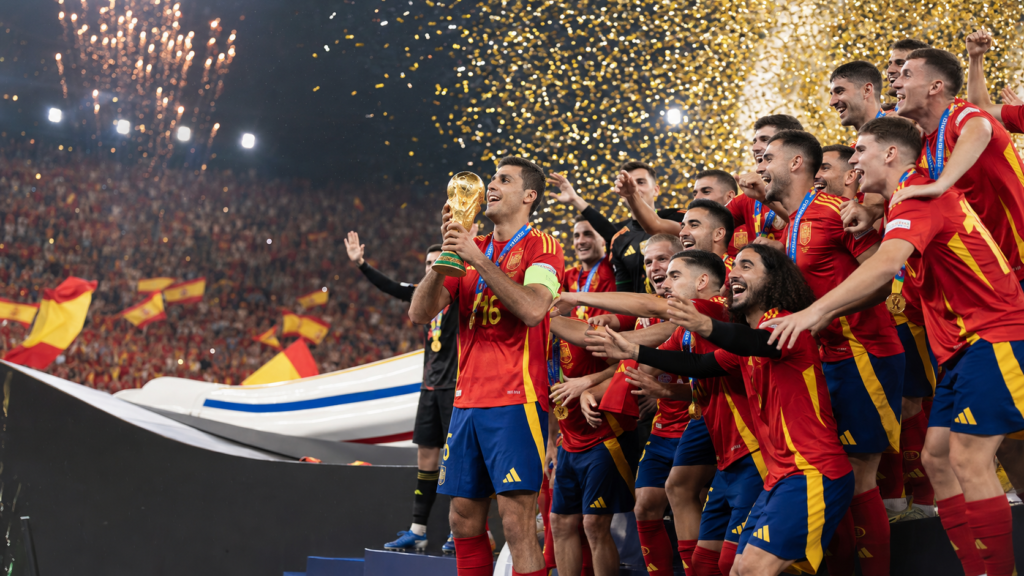
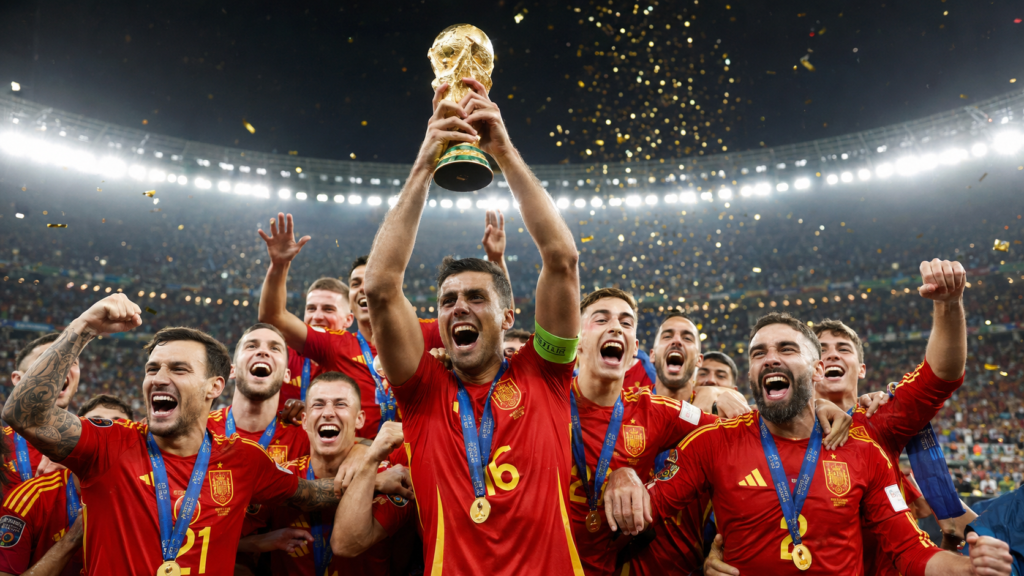
Spain have been crowned the 2026 FIFA World Cup champions after defeating defending champions Argentina 1–0 in a dramatic final at New York New Jersey Stadium in East Rutherford, United States.
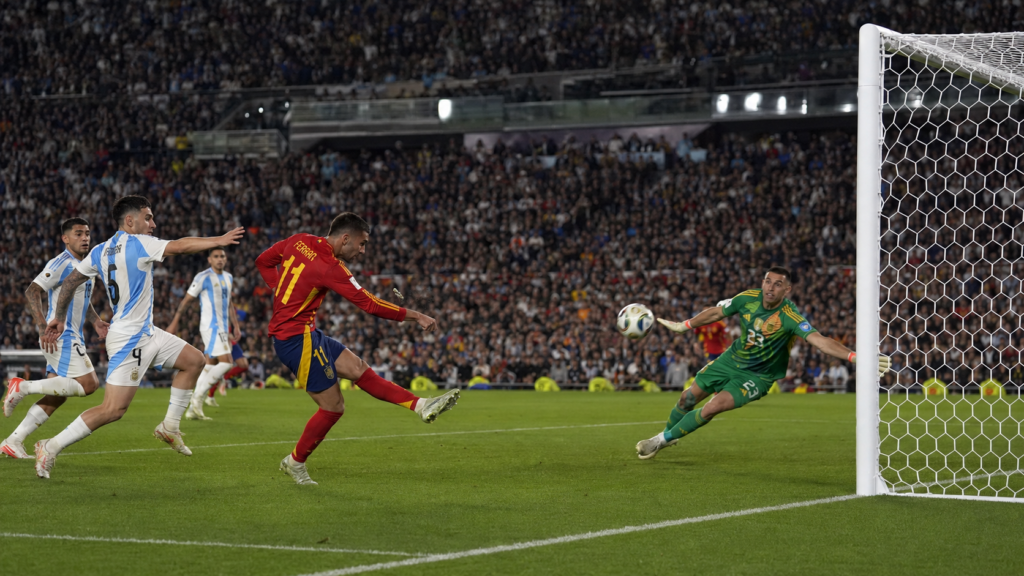
The closely contested match remained goalless throughout regulation time before Ferran Torres scored the decisive goal in the 106th minute of extra time. His historic strike secured Spain’s second FIFA World Cup title, following their first triumph in South Africa in 2010.
Hosted jointly by the United States, Canada and Mexico, the 2026 tournament made history as the first FIFA World Cup to feature 48 national teams. It delivered spectacular goals, major upsets, dramatic knockout matches and memorable performances from some of football’s biggest stars.
FIFA World Cup 2026 Opens a New Era
The tournament kicked off with high expectations as 48 nations competed under FIFA’s newly expanded format. The additional teams brought fresh competition and gave emerging football nations the opportunity to challenge some of the world’s traditional powerhouses.
Throughout the group stage and knockout rounds, fans witnessed stunning upsets, dramatic penalty shootouts, last-minute winners, and incredible individual performances. The tournament demonstrated how international football continues to grow in quality and competitiveness across every continent.
Spain’s Road to World Cup Glory
Spain established themselves as one of the strongest and most consistent teams from the opening stages of the tournament.
Under head coach Luis de la Fuente, the Spanish side combined its traditional possession-based playing style with greater speed, direct attacking and defensive organisation. The team showed patience when controlling matches and resilience when facing difficult opponents.
Spain’s squad featured a strong combination of experienced leaders and exciting young players. Rodri controlled the midfield, Unai Simón provided security in goal, while the country’s emerging talents brought energy and creativity to the team.
Their performance in the final reflected the qualities that defined their entire tournament: patience, confidence, discipline and the determination to continue searching for a winning goal.
Spain’s victory places the current generation alongside the legendary Spanish team that won the 2010 FIFA World Cup.
Lionel Messi’s Dream of Back-to-Back World Cup Titles Falls Short
Lionel Messi was once again at the centre of Argentina’s World Cup campaign.
After leading his country to victory in 2022, the Argentine captain entered the 2026 tournament hoping to achieve another historic milestone by winning consecutive world titles.
At 39 years old, Messi became one of the major stories of the competition. His vision, creativity, composure and leadership helped Argentina navigate a difficult route to the final.
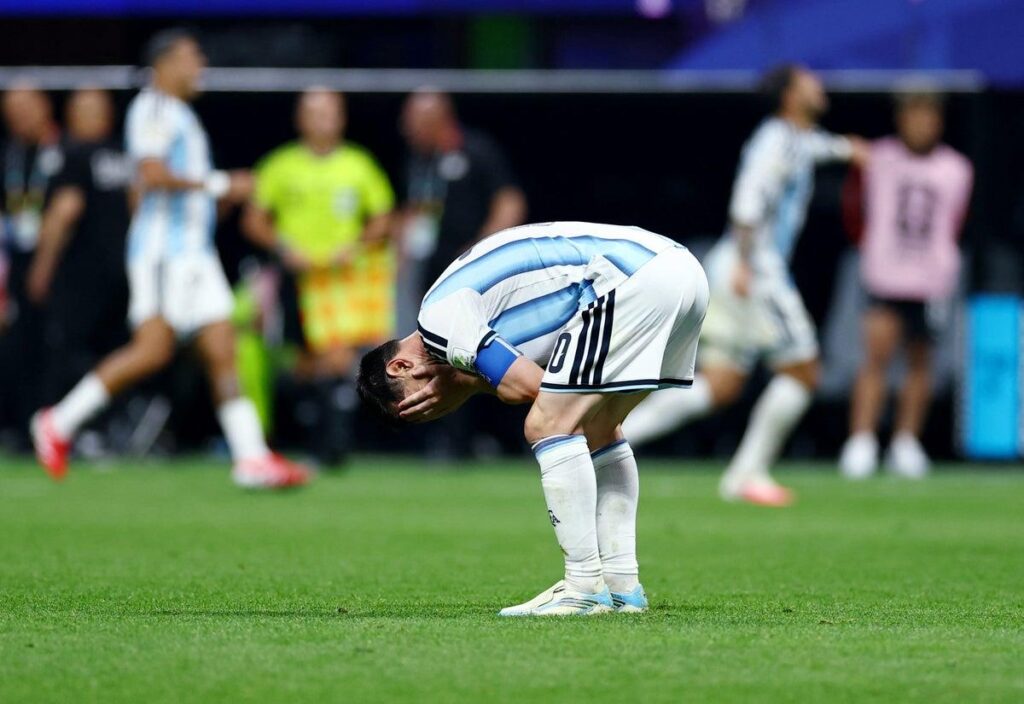
Messi scored eight goals during the tournament and played in his third World Cup final, following appearances in 2014 and 2022. However, Argentina’s narrow defeat prevented him from lifting the trophy for a second time.
The emotional scenes following the final reflected the disappointment felt by Messi, his teammates and millions of Argentine supporters. Despite the defeat, his performances added another remarkable chapter to one of football’s greatest international careers.
Messi later congratulated Spain and thanked Argentina’s supporters for standing behind the team throughout the tournament.
Cristiano Ronaldo’s World Cup Legacy Continues to Inspire
Cristiano Ronaldo’s participation was another major talking point during the 2026 FIFA World Cup.
Given his age and the stage of his career, the tournament may prove to have been his final World Cup appearance for Portugal. However, Ronaldo has not officially confirmed his retirement from international football.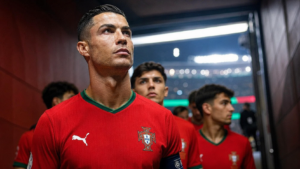
For more than two decades, Ronaldo has built one of the greatest careers in football history. His leadership, discipline, determination and extraordinary goal-scoring ability have inspired millions of players and supporters worldwide.
Whether or not he continues representing Portugal, his influence on international football is undeniable. His World Cup journey remains part of an extraordinary rivalry and era shared with Lionel Messi.
African Teams Make Their Mark
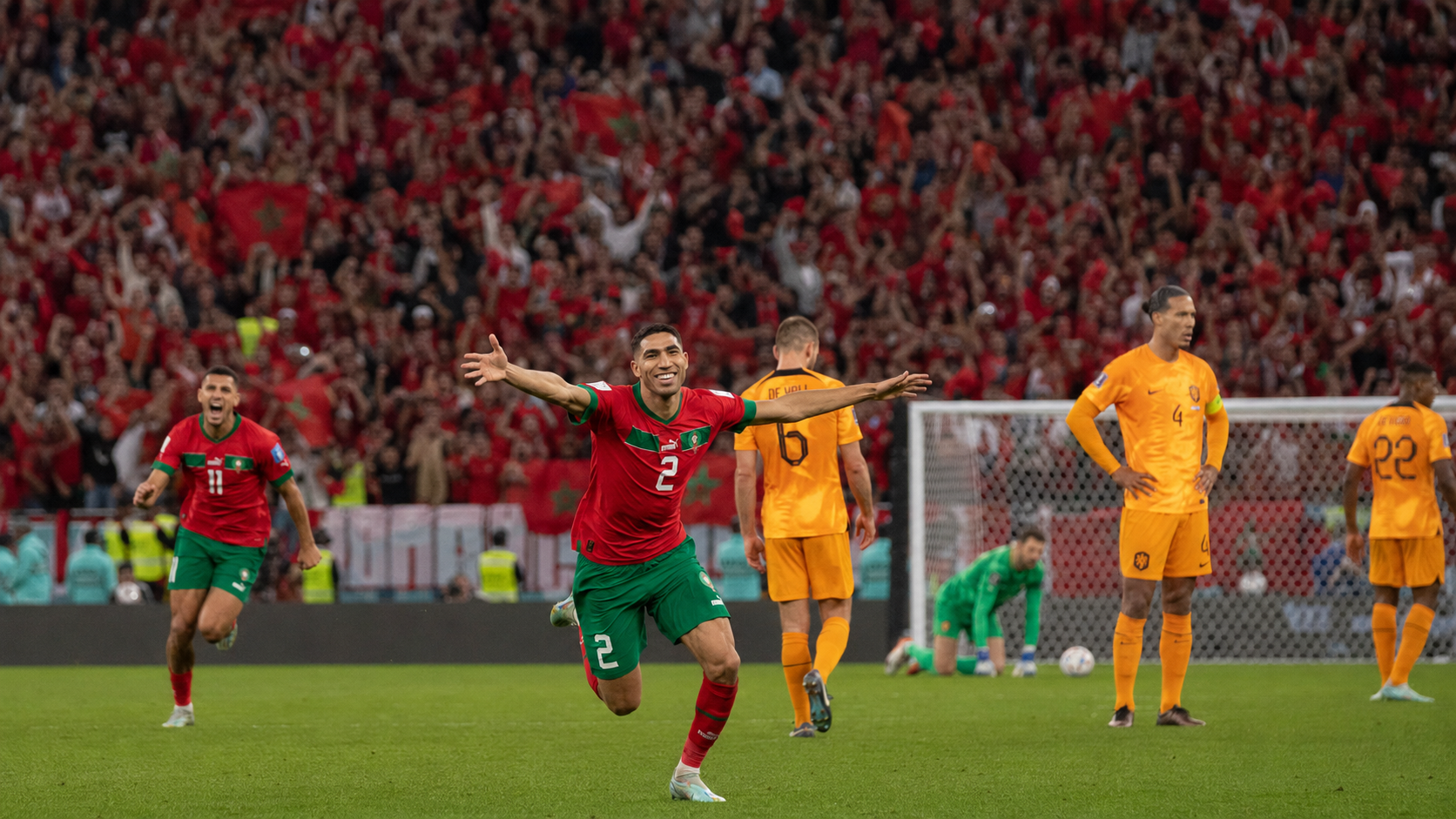
African teams delivered a mixture of encouraging performances and missed opportunities during the 2026 FIFA World Cup. Morocco once again led the continent’s challenge, becoming the first African nation to reach the quarter-finals in consecutive World Cups after eliminating the Netherlands and Canada. Egypt also impressed by reaching the Round of 16, where they suffered a narrow 3–2 defeat to eventual finalists Argentina, while Ghana and Côte d’Ivoire progressed beyond the group stage before being eliminated. Cape Verde earned admiration for their spirited debut, although several other African representatives exited earlier than expected. Despite no African country reaching the semi-finals, the tournament demonstrated the continent’s growing competitiveness and provided valuable experience for a new generation of African football stars. Tournament results
Kylian Mbappé Wins the Golden Boot
France forward Kylian Mbappé finished as the tournament’s leading scorer and received the FIFA World Cup Golden Boot.
Mbappé scored 10 goals during the competition, finishing ahead of Messi in the race for the award. His speed, movement and clinical finishing once again demonstrated why he is considered one of the world’s best footballers.
The achievement reinforced Mbappé’s reputation as one of the defining players of the new generation. After scoring a hat-trick in the 2022 World Cup final, he continued his exceptional World Cup record with another outstanding individual campaign in 2026.
Rodri Named the Tournament’s Best Player
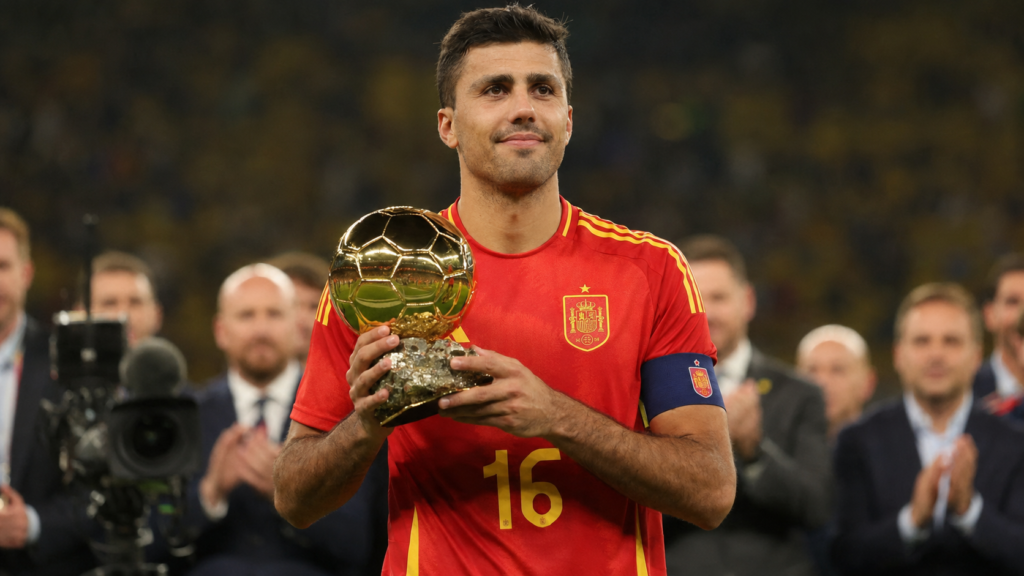
Spain’s Rodri received the Golden Ball after being named the best player of the 2026 FIFA World Cup.
The midfielder played a central role in Spain’s success, controlling the pace of matches, protecting the defence and helping his team maintain possession under pressure. His leadership and consistency made him one of the most influential players throughout the competition.
Goalkeeper Unai Simón received the Golden Glove after keeping seven clean sheets in eight matches. His composure and important saves provided a strong foundation for Spain’s championship-winning campaign.
Young Spanish defender Pau Cubarsí was recognised as the tournament’s best young player, highlighting the strength of Spain’s emerging generation.
The major individual awards were:
- Golden Ball: Rodri — Spain
- Golden Boot: Kylian Mbappé — France
- Golden Glove: Unai Simón — Spain
- Best Young Player: Pau Cubarsí — Spain
Unforgettable Moments from the 2026 World Cup
The tournament delivered numerous moments that will remain part of football history, including:
- Spain winning their second World Cup title.
- Ferran Torres scoring the winning goal in extra time.
- Argentina reaching consecutive World Cup finals.
- Lionel Messi appearing in his sixth World Cup.
- Cristiano Ronaldo potentially making his final World Cup appearance.
- Kylian Mbappé winning the Golden Boot with 10 goals.
- Rodri being named the tournament’s best player.
- Unai Simón keeping seven clean sheets.
- The successful introduction of the 48-team tournament format.
- Emerging football nations challenging traditional international powers.
What Happens After the World Cup?
With the 2026 FIFA World Cup complete, attention will now turn to upcoming continental championships and preparations for the next World Cup cycle.
Spain will celebrate its return to the pinnacle of international football, while Argentina and other leading nations begin rebuilding for future competitions.
The tournament may also represent the closing chapter of an extraordinary era defined by Messi and Ronaldo. At the same time, players such as Mbappé and a new generation of emerging stars have demonstrated that international football has an exciting future.
Final Thoughts